
Baju Kurung Cekak Musang Riau
Baju Kurung Cekak Musang - Riau
The baju kurung (Jawi: باج٠ÙÙرÙÚ ) is a traditional Malay costume which loosely translated as "enclosed dress". This type of costume is thenational dress of Malaysia.
In Indonesia, it is one of the many regional dresses of this culturally and ethnically diverse country (especially on the island of Sumatra - where many ethnic Malay and Minangkabau women wear this). It can also be found in Singapore and Thailand.
The early baju kurung was longer and looser. It was popularised in the late 19th century by Sultan Abu Bakar of Johor.
It has been reported that the baju kurung has "not only survived, but prospered" in modern Malaysia, pointing to its popularity during the Islamisation of Malaysia in the 1970s and 1980s.
Although baju kurung is the generic name of the attire for both males and females, in Malaysia the female dress is referred to as baju kurungwhile the male dress is referred to as baju melayu.
Two versions of the costume are popular. One is the baju kurung teluk belanga and the other is the baju kurung cekak musang. The main difference between these two fashion styles is the style of cut at the neck, where the teluk belanga style has no collar and the neckline is stitched in the style known as tulang belut ("eel's spines or bones"). The baju kurung teluk belanga originated, as its name implies, from Teluk Belanga, in the island of Singapore, which was previously the capital of the state of Johor. On the other hand, the cekak musang style has a standing collar with holes for five buttons including two buttons for the collar.
The cekak musang shirt also normally has three pockets – two at the bottom, and one at the upper left breast. The teluk belanga shirt normally has only two pockets both at the bottom. The baju melayu is a loosely fitting shirt with long sleeves, worn with long pants with a sampin which is wrapped around the middle of the body from the stomach to the knee and sometimes lower. This sampin is usually a three-quarter length or full sarong-style cloth made of kain songket, tenun pahang diraja or other woven materials with traditional patterns
The baju kurung is also worn by female non-Malays (including Malaysia's ethnic Chinese, Indian and Native Bornean minorities). This can be partially due to the baju kurung being one of the approved styles of dress for female civil servants and one of the approved styles of uniform for female school students. However, its peak sales occur in the month ofRamadan on the Muslim calendar.
Sumber
https://en.wikipedia.org/wiki/Baju_Kurung
http://melayuonline.com/ind/culture/dig/2663/pakaian-tradisional-melayu-riau


Diskusi
Silahkan masuk untuk berdiskusi.Daftar Diskusi
Rekomendasi Entri

KrediOne
 Cerita Rakyat
cara hapus akun/data (#KrediOne) secara permanen kamu bisa hubungi pelanggan layanan resmi via WA di (+62.821-7553-746 atau 0898.4440.241). Jelaskan alasan permintaan penghapusan data atau akunnya lalu siapkan identitas diri seperti (KTP) untuk proses verifikasi dan ikuti instruksi petugas customer service untuk menyelesaikan laporan Anda.

Admin2026
Berikut Cara Mengembalikan Dana PT Tri Usaha Berkat
Cerita Rakyat
Silahkan hubungi layanan PT Tri Usaha Berkat untuk proses pengembalian dana melalui WhatsApp di 0813-707-1392 atau 0813-707-2680 Kirim nomor pesanan atau transaksi yang ingin diajukan pengembalian dana. Jelaskan alasan refund atau pengembalian dana secara lengkap.
Admin99
PT Tri Usaha Berkat
Cerita Rakyat
Silahkan hubungi layanan PT Tri Usaha Berkat untuk proses pengembalian dana melalui WhatsApp di 0813-707-1392 atau 0813-707-2680 Kirim nomor pesanan atau transaksi yang ingin diajukan pengembalian dana. Jelaskan alasan refund atau pengembalian dana secara lengkap.
Admin99
Cara Mengembalikan Dana Masuk PT Tri Usaha Berkat
Cerita Rakyat
Silahkan hubungi layanan PT Tri Usaha Berkat untuk proses pengembalian dana melalui WhatsApp di 0813-707-1392 atau 0813-707-2680 Kirim nomor pesanan atau transaksi yang ingin diajukan pengembalian dana. Jelaskan alasan refund atau pengembalian dana secara lengkap.
Admin99
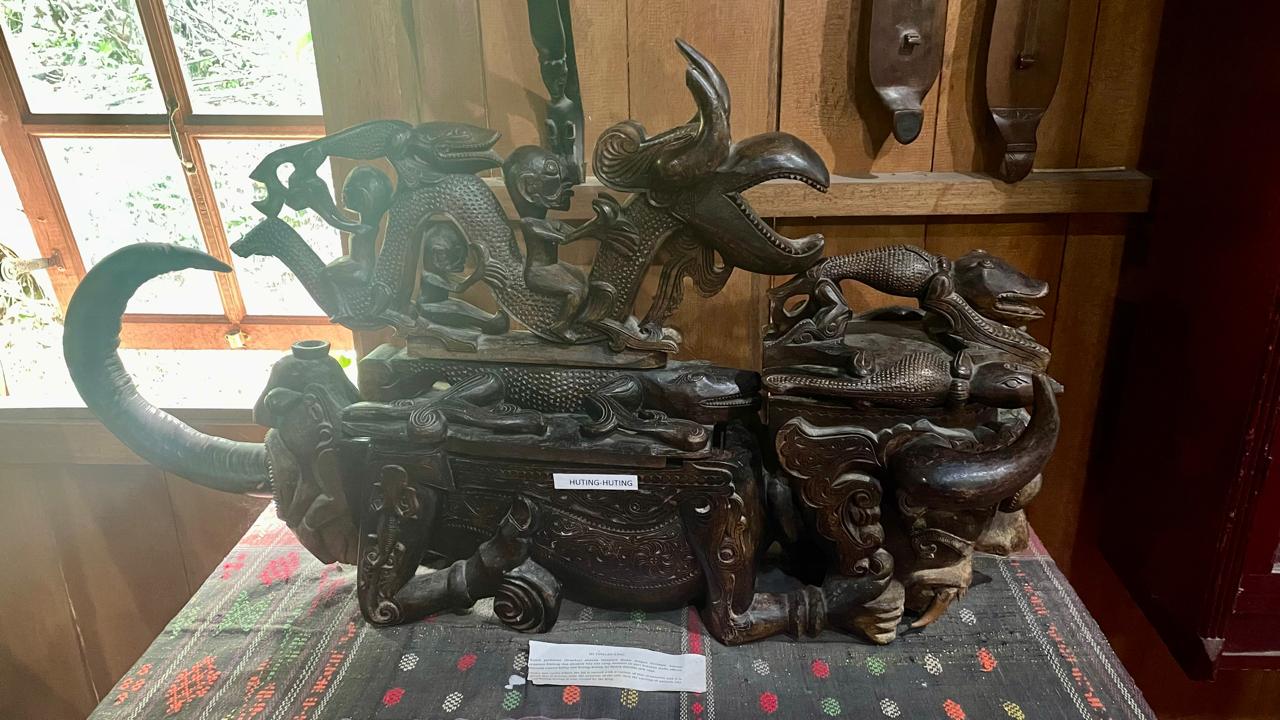
HUTING-HUTING
 Ornamen
Di masa lalu, masyarakat Batak mengenal sebuah peti penyimpanan berharga yang disebut Huting-Huting. Huting-huting berfungsi sebagai tempat menyimpan benda-benda berharga milik raja atau keluarga bangsawan, seperti perhiasan, pusaka, hingga barang bernilai lainnya. Karena fungsinya yang penting, huting-huting sering disebut sebagai "brankas tradisional" dalam budaya Batak. Yang membuatnya istimewa adalah ukiran pada bagian tutupnya. Berbagai ornamen, termasuk motif bintang dan makhluk simbolis (pinatang), dipahat dengan sangat detail. Menurut kepercayaan masyarakat dahulu, ukiran-ukiran tersebut memiliki kekuatan magis sebagai penjaga isi peti. Konon, apabila seseorang berniat mencuri isi huting-huting, maka roh penjaga yang disimbolkan melalui ukiran pinatang akan melindungi harta yang tersimpan di dalamnya. Kepercayaan ini menunjukkan bagaimana seni ukir, spiritualitas, dan sistem keamanan tradisional berpadu dalam kehidupan masyarakat Batak. Karena nilai dan kesak...
